What truly brought me back to reading wasn’t a trending new release or a suddenly popular reading challenge—it was a collection of old books I had long neglected. As I reorganized my bookshelf and flipped through the dust-covered pages, I realized that reading has never lacked content; what it lacked was patience and the right moment. Through this process, I slowly rediscovered the feeling of being fully immersed in words.
The initial shift was actually quite accidental. At the time, I was tidying up my home library and noticed that many books were almost “brand new,” some still wrapped in plastic. I suddenly realized that over the past few years, I had been buying books much faster than I could read them. This habit of “stockpiling” books made me feel a bit guilty, but it also made me reconsider: why do I read?
It was also during this period that I first discovered ThriftBooks. Initially, I just wanted to find some more affordable books to add to my reading list, but unexpectedly, it opened a completely different door to reading.
From “Buying New Books” to “Seeking Old Books”
In the past, I bought books mostly from major platforms, chasing what was “new” or “popular.” Over time, however, I realized that many truly worthwhile books, the ones worth revisiting, were no longer on the bestseller lists.
On ThriftBooks, I first realized that old books aren’t just cheaper—they also carry “stories.” Once, I bought a secondhand novel and found a bookmark inside, handwritten ten years ago, with the words: “This book saved me.” In that moment, I felt that the book didn’t just belong to me; it had accompanied someone else before me.
That feeling is something you never get from buying new books.
Later, I started frequently using ThriftBooks to find books that were out of print or hard to acquire. Especially classic literature, older translations, and niche nonfiction. On other platforms, these might cost a fortune, but on ThriftBooks, I could often get them at a fraction of the price.
The Real Change in My Reading Habits
Previously, my reading was very “task-oriented”—finishing a set number of books in a month or completing a bestseller list. Now, I prefer to slow down and let reading happen naturally.
For a while, I bought some old travel essays on ThriftBooks. The pages were slightly yellowed, with minor creases. But it was precisely these “marks” that made reading more immersive, as if the book had already experienced a life before reaching my hands.
On weekend afternoons, I would casually open a book and read as far as I felt like. No pressure, no plans—just enjoying the words. Sometimes I’d sip tea while listening to soft background music, letting the story and thoughts carry me into another world.
Gradually, I found myself becoming more focused. Before, I couldn’t read without glancing at my phone, but now I could sit for an hour or two without interruption. This sense of immersion allowed me to rediscover the simple and wonderful feeling of reading I had as a child.
I also began to pay more attention to the details of a book—the texture of the paper, the faint scent of age, even the font and layout design. These subtle details added layers to the reading experience, something a brand-new book rarely provides. Each book seemed to carry a silent history, waiting for me to uncover it page by page.
Redefining “Value for Money”
I used to value “cost-effectiveness,” but it was mostly about getting the latest items at lower prices.
On ThriftBooks, buying an old book for a few dollars can provide value far beyond a brand-new bestseller. It may suit me better, offer deeper insights, or introduce perspectives I hadn’t considered before.
Once, I bought a psychology book from twenty years ago on ThriftBooks. At first, I just intended to skim through it, but the more I read, the more I realized that many of its ideas were still relevant. Some concepts were even more thought-provoking than today’s fast-consumed content. At that moment, I understood that the real “value” of reading lies not in whether a book is new or old, but in the depth and insight it provides.
Rediscovering the Joy of Reading
Many people nowadays are reluctant to read because it feels “too slow.” The fast pace of short videos and social media makes it difficult to focus.
But I gradually realized that it is precisely this “slowness” that makes reading so precious.
Browsing for books on ThriftBooks is itself an enjoyable journey. You explore different categories, occasionally discover a book you’ve never heard of, get intrigued by its description, and eventually place an order. The small surprises along the way are like wandering in a secondhand bookstore and finding hidden treasures.
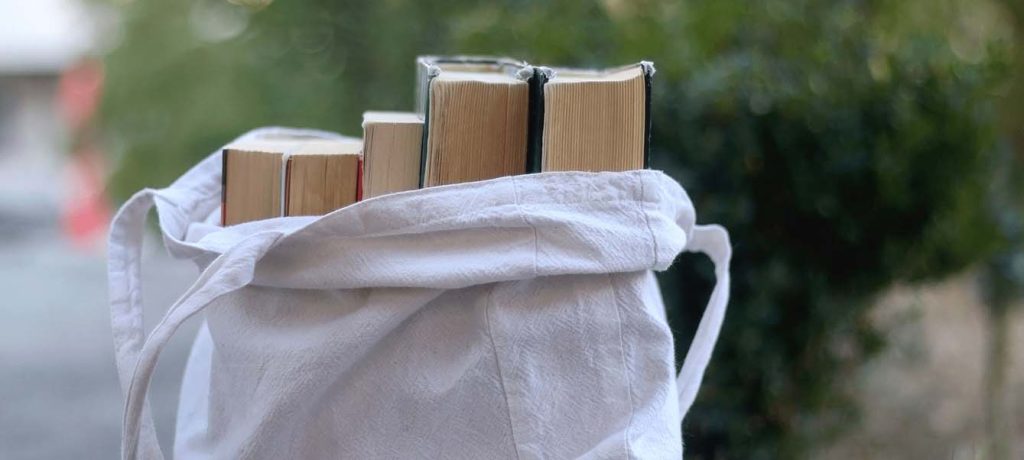
When the book finally arrives, opening it brings a sense of anticipation. The smell of the pages, the feel of the cover—these are experiences digital reading cannot replicate. Sometimes, I even find annotations left by previous readers or an old bookmark tucked inside. These little discoveries make reading more personal, connecting me not only to the author but also to other readers who cherished the same words.
This slow, deep way of reading taught me to savor every moment, every sentence, every insight, transforming reading from a task into a reflective and meditative experience.
Why I Started Recommending More “Old Books”
Eventually, I began sharing book recommendations more on my website, highlighting books I found truly worth reading. ThriftBooks gradually became an important source for these recommendations.
I know that for many people, price can be a real barrier. If a book costs twenty or thirty dollars, many hesitate. But through ThriftBooks, books can be obtained at much lower prices, lowering the threshold to reading.
Moreover, I increasingly realized that the value of a book does not diminish simply because it isn’t brand new.
Memorable Moments
Once, I bought an old collection of essays on ThriftBooks. The cover was worn, but the book contained many notes from a previous reader.
At first, I found it unusual, but later realized that these notes made me read more deeply. Sentences I might have overlooked were highlighted, prompting me to pause and reread them.
This “communication across time” made reading feel warmer. I even started intentionally seeking books with visible signs of use because I discovered that these often had more life. They aren’t “perfect,” but the fact that they’ve been read gives them a layer of authenticity.
Reading Became a “Personal Matter” Again
I used to care about what others were reading and would follow bestseller trends. Now, I prefer to follow my own interests.ThriftBooks gives me more freedom of choice. Whether it’s a niche book, an old edition, or a discontinued title, they all have a chance to be rediscovered.
This sense of freedom makes reading a truly “personal” activity again.
Gradually, I began to understand that reading doesn’t require many external conditions. A book and a quiet corner are enough.The old books I found on ThriftBooks helped me rediscover the meaning of reading—not to complete tasks or keep up with trends, but to connect with words in a genuine way at a particular moment.