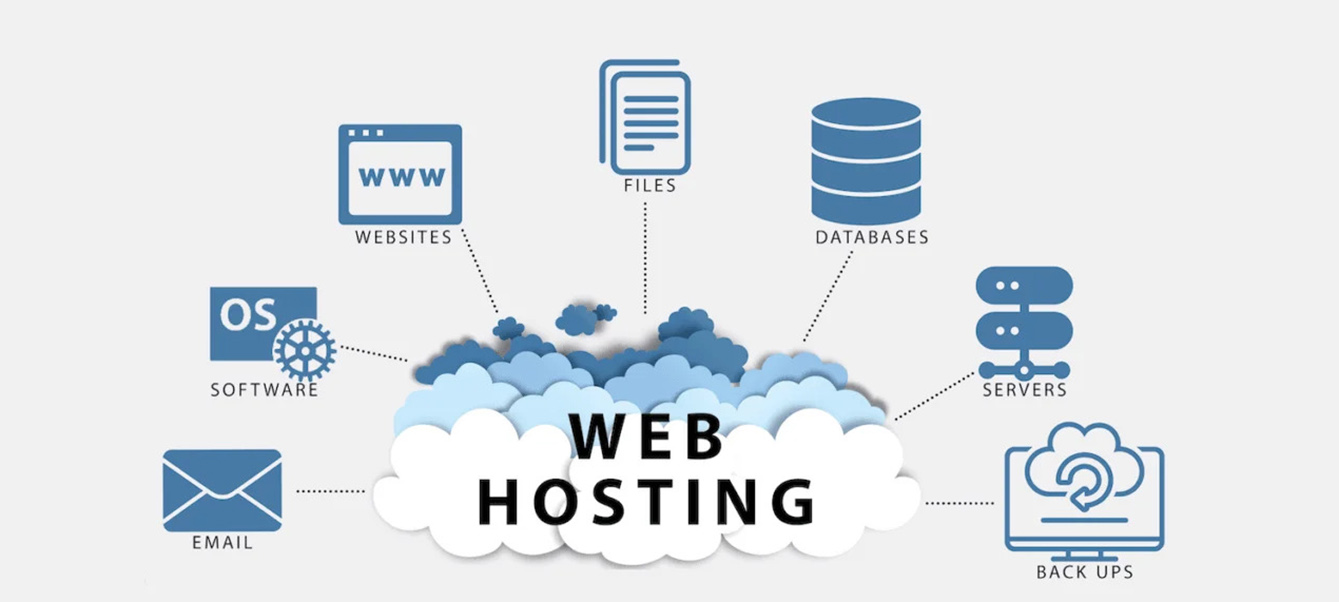
In the digital era, websites have become essential platforms for personal creation, business operations, and e-commerce. Whether it is a personal blog, an online store, or a large enterprise site, choosing the right hosting service is the foundation for ensuring stable, efficient, and secure website operation.
With technological advancement, hosting is no longer just “renting a server”; it has developed into a diverse system with different types suitable for various scenarios and needs. To help users quickly understand, I will provide a detailed overview of common hosting types and, based on my hands-on experience with ScalaHosting, offer real evaluations and recommendations.
1. Shared Hosting: The Economical Entry Choice
Shared hosting is one of the earliest and most popular types of website hosting. It is ideal for personal blogs, small businesses, or startups. The core concept is that multiple websites share the same server resources, thereby reducing costs.
Features and Advantages:
- Low cost: Beginners can own complete website space for just a few dollars per month.
- Easy maintenance: Most shared hosting comes with automated control panels, requiring minimal technical management.
- Ready-to-use: Suitable for users with low technical requirements.
Limitations and Considerations:
- Unstable performance: High traffic periods may lead to slow website loading.
- Lower security: Shared environments may increase risk if one website is attacked.
- Limited scalability: Cannot freely allocate resources or install custom software.
ScalaHosting Review:
I have built a small blog on ScalaHosting’s shared hosting. The experience showed stable page load speed and smooth backend operations. Compared to other shared hosting providers, ScalaHosting offers the SPanel control panel, which is intuitive and integrates automatic backups and free SSL, making it easy for beginners to manage websites.
2. Virtual Private Server (VPS Hosting): Balance Between Performance and Freedom
VPS is an intermediate solution between shared hosting and dedicated servers. Using virtualization technology, a single physical server is divided into multiple independent environments. Each VPS user has their own operating system, CPU, memory, and storage space.
Features and Advantages:
- Higher control: Users can install custom software and configure firewalls and system settings.
- Independent performance: Not affected by other users, providing more stability.
- Good scalability: Supports upgrades to CPU, memory, and storage to meet growing website demands.
Limitations and Considerations:
- Higher cost: Usually several times more expensive than shared hosting.
- Maintenance demands: Requires server management skills or relies on managed services.

ScalaHosting VPS Review:
ScalaHosting’s VPS service is exceptional, offering customizable resource allocation, allowing users to adjust CPU cores, memory, and SSD storage as needed. In my experience, migrating a mid-sized e-commerce website to ScalaHosting VPS reduced page load time from 3.2 seconds to 1.4 seconds. The backend operations were smooth, and the SShield AI security system provided real-time protection, making the site stable and secure.
3. Dedicated Hosting: High-End Full Control Solution
Dedicated hosting means renting an entire physical server, giving full control over all resources. It is suitable for high-traffic websites, large e-commerce platforms, or enterprises with high security standards.
Features and Advantages:
- Exclusive resources: CPU, memory, and storage are dedicated for optimal performance.
- Full control: Users can customize systems, applications, and database configurations.
- High security: Server isolation reduces potential risks.
Limitations and Considerations:
- High cost: Rent is expensive, and hardware maintenance is required.
- High management requirements: Complex to manage, requiring professional technical support.
- Limited flexibility: Upgrading hardware or migrating data can be cumbersome.
Dedicated hosting is suitable for businesses that require maximum performance and control, but it may not be cost-effective for individuals or small websites.
4. Cloud Hosting: Flexible, Highly Available Modern Solution
Cloud hosting has become the most popular type in recent years. Its core concept is resource pooling and distributed architecture. Websites no longer depend on a single physical server but run across multiple cloud nodes. Even if one node fails, the site remains online.
Features and Advantages:
- High availability: Multi-node architecture with automatic failover.
- Elastic scalability: Resources dynamically allocated based on traffic demand.
- Intelligent management: Supports automatic backup, AI security, and load balancing.
- Cost efficiency: Pay-as-you-go model reduces resource waste.
ScalaHosting Cloud Experience:
ScalaHosting’s cloud hosting combines VPS flexibility with shared hosting convenience. Using SPanel, I could easily monitor CPU, bandwidth, and storage usage. Automated features include daily backups, automatic SSL installation, and SShield AI security protection.
In actual tests, the website maintained 99.99% uptime during peak traffic, with page loading consistently around 1.2 seconds, outperforming standard VPS or shared hosting.

5. Key Factors in Choosing Hosting
After understanding the different hosting types, selecting the right platform should consider the following:
- Performance needs: Small blogs suit shared hosting, mid-sized websites benefit from VPS, enterprise applications or high-traffic e-commerce sites require cloud or dedicated servers.
- Budget and cost: Shared hosting is low-cost, cloud hosting is flexible pay-as-you-go, dedicated servers suit enterprises with sufficient budgets.
- Technical ability: Skilled users can choose VPS or dedicated servers; beginners should opt for shared or cloud hosting.
- Security: Pay attention to backup mechanisms, AI security monitoring, and DDoS protection.
- Scalability: As websites grow, consider if resources can be quickly upgraded or migrated.
Based on my ScalaHosting experience, their cloud hosting and VPS services balance performance, scalability, and security, especially suitable for users seeking stability and intelligent management.
6. Recommendations
Website hosting is no longer just a tool to “place a site”; it is a critical support for digital operations and brand experience.
- Shared Hosting: Affordable, suitable for beginners and small websites.
- VPS: Stable performance, flexible configuration, ideal for mid-sized or growing projects.
- Dedicated Hosting: Ultimate performance and full control, suitable for high-traffic, high-security websites.
- Cloud Hosting: Elastic, secure, intelligent, suitable for users seeking simplified management and reliability.
In practice, providers like ScalaHosting, through features like SPanel control panel, SShield AI security protection, and flexible VPS/cloud plans, elevate the hosting experience. For most creators and small businesses, choosing ScalaHosting’s cloud or VPS hosting means high performance, reliability, and simplified management, allowing focus on core business.
The future of hosting is no longer just a technical service; it is an intelligent enabler, allowing every website to grow safely, stably, and efficiently.