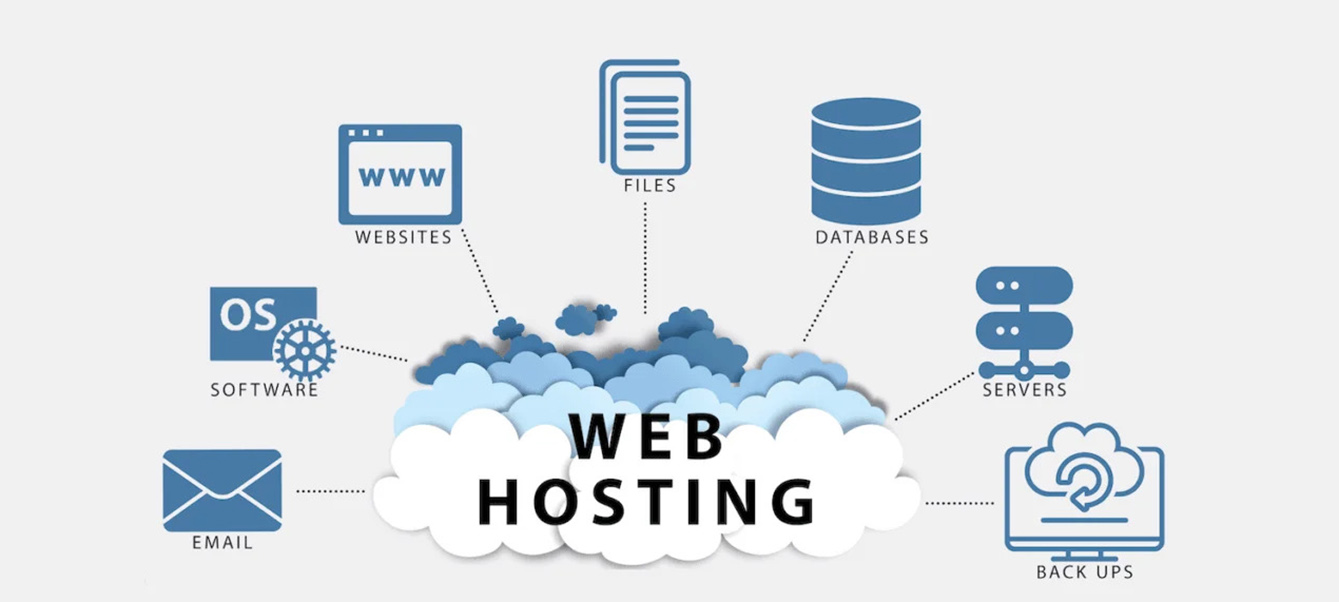
The rapid evolution of the internet is making “hosting” — once seen as a purely technical service — more essential than ever.
From the early days of shared hosting to the rise of cloud infrastructure, edge computing, and now the era of AI-driven resource allocation, website hosting has evolved from a basic “go-online” service into a critical foundation of the digital economy.
Every technological leap in the hosting industry has reshaped the way websites perform, stay secure, and manage costs. In the coming decade, hosting will no longer be just a “home for websites,” but an intelligent, automated, secure, and sustainable ecosystem.
Before exploring the trends ahead, it’s worth tracing how hosting technology has evolved — and why it has become the backbone of global digitalization.
1. From Physical Machines to the Cloud: The Evolution of Hosting Technology
The development of hosting can roughly be divided into four stages:
1. The Era of Physical Servers: Expensive and Complex Beginnings
In the early internet era, launching a website meant purchasing or renting an entire physical server. Businesses had to manage their own systems, monitor power and cooling, and handle networking issues — all at high cost and with steep technical demands.
2. The Shared Hosting Era: Making the Internet Accessible
Shared hosting lowered the barrier to entry by allowing multiple websites to share the same server resources.
It made website ownership affordable but introduced limitations — unstable performance, weak security, and little control.
3. VPS and Dedicated Servers: Balancing Freedom and Cost
Virtual Private Servers (VPS) gave users greater control by creating isolated environments on a shared machine through virtualization technology.
While VPS improved stability and performance, it still struggled with scalability and maintenance complexity.
4. The Cloud Hosting Era: Combining Flexibility and Intelligence
The rise of cloud hosting transformed the entire industry.
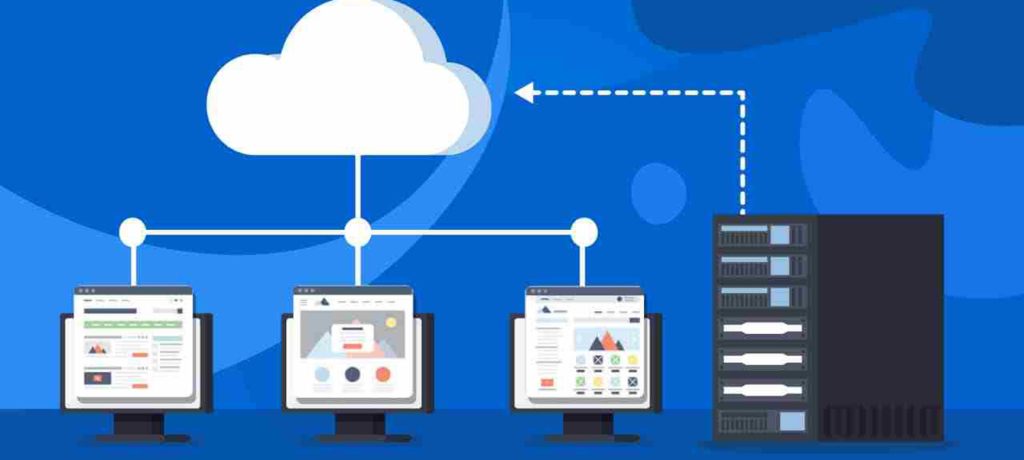
Websites no longer relied on a single physical server but ran on a distributed network of cloud nodes. Even if one server failed, traffic would automatically reroute, ensuring uptime.
Cloud hosting not only enhanced scalability and performance but also integrated AI, security monitoring, and automation — marking the shift from passive hosting to intelligent operations.
2. The Five Key Trends Shaping Hosting in the Next Decade
As technologies like AI, big data, IoT, and 5G mature, the hosting industry is entering a new wave of transformation. The following five trends will define its future.
Trend 1: AI-Powered Hosting Becomes the Norm
Traditional hosting management is no longer sufficient for today’s complex web environments. The integration of AI allows platforms to analyze traffic patterns, detect threats, and optimize performance autonomously.
Future hosting will resemble a “self-learning” system capable of dynamically allocating resources based on user distribution and traffic spikes.
For instance, intelligent algorithms will automatically scale bandwidth during peak hours and release it during low-traffic periods, maximizing efficiency and reducing costs.
Leading providers like Verpex have already implemented AI-driven resource orchestration in their cloud hosting platforms, helping users achieve optimal performance without manual tuning.
Trend 2: Edge Computing and the Rise of Proximity Hosting
Traditional cloud data centers are often centralized in limited locations, meaning users far from those centers experience latency.
The next wave of hosting is moving toward edge computing, where servers are deployed closer to end-users to deliver faster, low-latency experiences.
This is particularly vital for global websites and multinational brands.
Providers like Verpex have established data centers worldwide — in cities such as London, New York, and Singapore — ensuring that users in different regions enjoy equally fast performance.
Trend 3: Zero-Touch Management and Automation as the Standard
In the future, website owners won’t need to log into dashboards to manage their hosting. Automation will enable true “zero-touch” maintenance.
Features such as automatic backups, instant recovery, auto-updates, and SSL renewals will be built into hosting platforms by default.
For small businesses and individuals, this means:
You don’t have to be a tech expert to run a high-performance, secure website.
Verpex is leading this transformation. Its system supports one-click WordPress deployment, automatic SSL setup, and daily backups — significantly reducing management costs and freeing users to focus on content and growth.
Trend 4: Security Evolves Toward Proactive Defense
With cyberattacks becoming more sophisticated, the future of hosting security will move from passive defense (“firewall + backup”) to proactive prevention using AI threat analysis.
AI-driven security systems will predict and neutralize attacks before they occur, keeping websites safe without user intervention.
Verpex already incorporates automatic malware scanning, DDoS protection, and site isolation within its hosting plans. For any brand that values reputation and data security, this proactive defense will soon be the new standard.
Trend 5: Green Hosting and Sustainability as a Core Industry Standard
Data centers consume vast amounts of electricity, making carbon emissions an increasing concern for the hosting sector.
Future hosting will emphasize environmental responsibility by adopting energy-efficient hardware, renewable energy sources, and carbon offset initiatives.
Many providers are already building “green data centers.” Verpex, for example, uses high-efficiency equipment at several of its global sites and is working toward achieving full carbon-neutral operations.
Sustainable hosting will not only be a moral responsibility but also a key competitive edge.
3. The Business Value of Hosting Is Being Redefined
In modern digital strategies, hosting is no longer just a technical backbone — it’s part of the brand experience and a measure of user trust.
1. Speed Impacts Conversion
Studies show that each one-second delay in page loading can reduce conversion rates by up to 7%.
Global cloud networks and CDN optimization ensure that websites deliver near-instant performance worldwide.
2. Security Equals Credibility
For online stores or subscription-based businesses, the cost of a data breach far exceeds hosting fees.
Choosing a provider like Verpex — which offers multi-layer protection and daily backups — is an investment in long-term brand reliability.
3. Scalability Means Growth
Websites often start small but expand rapidly as content and user bases grow.
Cloud hosting’s elastic scalability allows seamless upgrades without platform migration, supporting continuous growth from startup sites to enterprise-scale applications.
4. Verpex: Defining the Future of Hosting Through Flexibility and Intelligence
Among the many hosting brands, Verpex stands out as a forward-thinking innovator.
Its mission goes beyond providing storage space — it aims to build an intelligent, secure, and user-centric hosting ecosystem.

1. Global Infrastructure and Lightning Speed
Verpex operates high-performance data centers across multiple continents, allowing users to choose locations based on audience geography. Whether your site targets Europe, Asia, or the Americas, performance remains consistently fast.
2. Smart Security and Automated Maintenance
Verpex’s platform integrates AI security scanning and daily snapshots, automatically detecting and blocking threats.
Its one-click deployment, auto-SSL, and auto-update features make website management nearly effortless.
3. Flexible Plans and Transparent Pricing
Verpex offers shared hosting plans starting under $10 per month and VPS hosting from around $20, with monthly or annual payment options.
It provides a 45-day money-back guarantee and no hidden fees, giving users peace of mind when testing or upgrading.
4. Human-Centered Support
Whether it’s website migration or configuration help, Verpex’s 24/7 support team responds within minutes, offering real human assistance.
This combination of technical excellence and genuine service will define the future of hosting competition.
5. The Future of Hosting: Intelligent, Green, and Human-Centered
The hosting industry is evolving from a “technical service” into a “smart ecosystem.”
AI, automation, security intelligence, and sustainable energy will together shape the next decade of hosting innovation.
In this transformation, forward-thinking providers like Verpex — embracing intelligence and global scalability — are setting new benchmarks.
The hosting of the future won’t just make websites faster and more reliable; it will provide a digital home where creators, businesses, and data can thrive securely.
In the age of the cloud, competition is no longer about price — it’s about who can make technology truly understand people.